TRT Replacement Therapy Near Me: Local Clinics, Costs, and Care
@finnxkkm093
November 19, 2026 · 14 min read

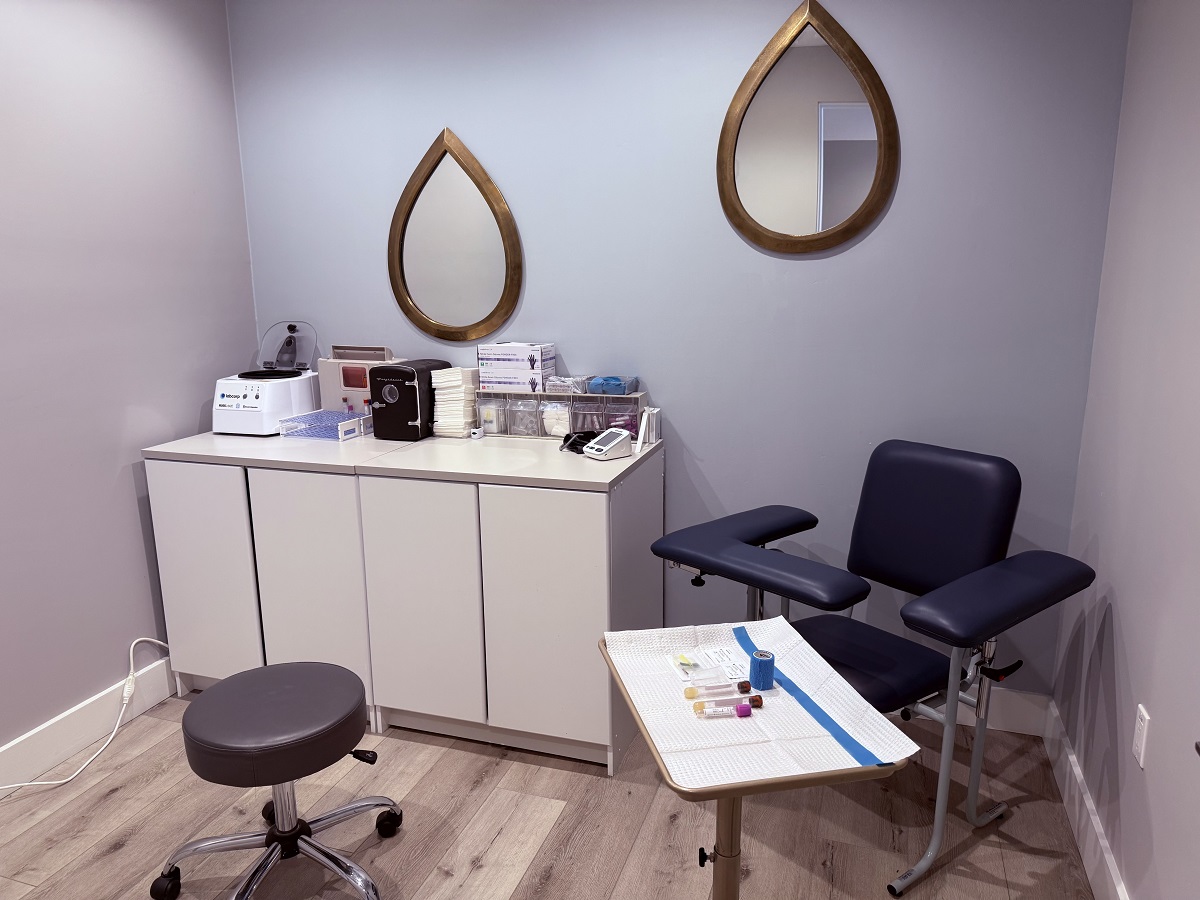
When someone searches for Trt replacement therapy near me, they are usually not browsing out of curiosity. More often, they are tired in a way that sleep does not fix, foggy at work, less motivated in the gym, less interested in sex, or simply aware that they do not feel like themselves anymore. Testosterone replacement therapy can help in the right situation, but finding a nearby clinic is only the first step. The harder part is figuring out who offers careful medical care and who is just selling a subscription.
That distinction matters. Testosterone is not a wellness vitamin, and low testosterone is not diagnosed by symptoms alone. Good TRT care requires proper lab work, a real medical history, a discussion of fertility, and follow-up that does not stop after the first prescription. The local options can look similar online, yet the patient experience and standard of care can be dramatically different.
Why local care still matters
Telemedicine has changed hormone care, and for many patients it has made treatment easier to access. Still, proximity matters more than people expect. If your treatment plan needs regular blood draws, blood pressure checks, or coordination with a primary care doctor, having a clinic nearby can make adherence much better. Men who start therapy with enthusiasm sometimes fall off simply because every follow-up becomes a logistical hassle.
A local clinic also gives you a chance to judge the practice in person. You can see whether it feels like a legitimate medical office or a retail storefront built around quick turnover. That sounds subtle, but it is often obvious within ten minutes. A serious clinic tends to ask for records, review prior labs, discuss medical risks, and explain why your treatment plan looks the way it does. A sales-driven clinic usually moves fast, quotes a monthly price early, and frames everything as simple.
The best local setup is not always a specialty men's health center. Depending on your area, excellent TRT management may come from an endocrinologist, urologist, internist, family physician, or a well-run hormone clinic with strong physician oversight. Titles matter less than process.
What should happen before anyone prescribes TRT
Low testosterone should be confirmed, not assumed. Symptoms can overlap with sleep apnea, depression, medication effects, obesity, overtraining, thyroid disease, heavy alcohol use, or chronic stress. I have seen men convinced they needed testosterone when the bigger issue was untreated sleep apnea, and I have seen the reverse, men told to simply sleep more when their labs and symptoms strongly supported hypogonadism.
A thoughtful evaluation usually starts with a history that covers energy, libido, erectile function, mood, body composition, sleep, fertility goals, prior anabolic steroid use, and chronic illnesses. The fertility conversation is especially important. Testosterone therapy can suppress sperm production. That is not a niche concern. It comes up often in men in their thirties and forties who want children later, even if they are not thinking about it at the first visit.
Lab testing is where quality becomes easier to spot. Testosterone levels should generally be measured in the morning, and a single borderline result should not be the whole story. Many clinicians repeat testing and include related labs such as free testosterone, SHBG in some cases, luteinizing hormone, follicle-stimulating hormone, estradiol when relevant, complete blood count, PSA for appropriate patients, and metabolic markers. The exact panel varies by age, symptoms, medical history, and specialty, but the point is simple: if a clinic barely tests, it is not practicing careful medicine.
Physical findings matter too. Blood pressure, weight trends, waist circumference, signs of gynecomastia, testicular exam when indicated, and cardiovascular risk all have a place in the assessment. Some practices shortcut this because it takes time. Good ones do not.
The kinds of clinics you are likely to find nearby
Local TRT care usually falls into a few broad categories, and each has advantages. Endocrinology practices tend to be methodical and evidence-focused, which is valuable if your case is medically complex or the diagnosis is not straightforward. The downside is access. Wait times can be long, and some endocrinologists focus more on pituitary, thyroid, or diabetes care than on ongoing testosterone management.
Urology clinics often manage TRT regularly, especially when symptoms overlap with sexual health concerns. These practices may be a strong fit if erectile dysfunction, urinary issues, or male fertility questions are part of the picture. Many patients appreciate that urologists deal with male hormone issues in a practical, day-to-day way.
Primary care physicians can also provide excellent treatment, especially when they know your full health history. The obvious advantage is continuity. A primary care doctor can place low testosterone in context with your blood pressure, cholesterol, weight, sleep, and mental health. The limitation is that not every PCP is comfortable managing TRT in detail, so experience varies widely.
Then there are dedicated hormone and men's health clinics. Some are excellent, responsive, and organized. Others rely on templated prescribing and aggressive monthly packages. Their websites often look polished, and that alone tells you almost nothing. You have to look deeper.
How to tell whether a clinic is careful or careless
Most patients do not need to become hormone experts, but they do need a way to screen clinics before booking. A few practical questions can save a lot of frustration.
- Do you require recent labs and repeat abnormal testosterone testing before treatment?
- Who actually manages the therapy, a physician, nurse practitioner, physician assistant, or a sales team?
- How often do you repeat labs after starting treatment?
- How do you handle fertility concerns or men who may want children later?
- What is included in the quoted monthly or annual price?
The answers reveal a lot. If the office seems annoyed by these questions, that is useful information. A reputable clinic will not mind explaining its process.
One pattern Trt replacement therapy near me SDBody La Jolla worth noting is the clinic that promises symptom improvement with unusual certainty. Testosterone can be very effective for the right patient, but it is not magic. Some men feel better within weeks. Others improve more gradually. Some see modest gains in libido or energy but less change in mood or body composition than they expected. Good clinicians talk in probabilities. Weak clinics sell guarantees.
Costs, and why the advertised price is rarely the whole price
TRT pricing is one of the most confusing parts of the search for local care. The number you see in an ad may reflect only the medication, not the labs, office visits, injection supplies, or follow-up testing. Two clinics can both claim to offer affordable care while operating on very different pricing models.
If you go through insurance with a primary care physician, urologist, or endocrinologist, your out-of-pocket cost may be relatively modest. Generic testosterone cypionate is often affordable, especially at standard replacement doses, but the real variable is insurance coverage for visits and labs. A patient with strong coverage might spend surprisingly little each month after diagnosis. Another patient with a high-deductible plan may find every visit and blood test adds up quickly.
Cash-pay men's health clinics often package care into monthly fees. In many markets, those plans can range from roughly $100 to $300 or more per month, sometimes higher if medications like hCG, aromatase inhibitors, frequent labs, or concierge access are included. There is no universal price because geography, overhead, and clinic style all matter. Some practices charge separately for labs and consultations, while others wrap nearly everything into one recurring fee.
Medication form affects cost too. Injections are usually the most economical. Gels, creams, patches, pellets, and oral formulations can be more expensive, and insurance coverage differs. Pellets, for example, may appeal to patients who dislike weekly injections, but they often cost more upfront and lock you into a longer dosing interval that is less flexible if side effects emerge.
The cheapest option is not always the best value. A clinic that charges less but skimps on follow-up can become expensive in a different way, through poor symptom control, unnecessary side effects, or repeated course corrections. On the other hand, the most expensive clinic is not automatically better. Some charge luxury prices for fairly basic care. The key is to ask exactly what the fee includes and what will trigger extra charges.
What treatment usually looks like after the first prescription
Once TRT starts, follow-up should not feel like an afterthought. Most clinicians reassess symptoms and labs within the first few months, then continue monitoring at intervals that fit the patient's stability and risk factors. The specific timeline varies, but blood count, testosterone levels, and related markers usually need periodic review.
Trt replacement therapy near meThe most common form of treatment remains injectable testosterone, often self-administered at home. Some patients do well with once-weekly dosing, while others feel steadier with smaller, more frequent injections. The right schedule depends on the formulation, the prescriber's approach, and the patient's response. This is where experience matters. Rigid one-size-fits-all dosing tends to create avoidable ups and downs.
Not every symptom that appears during TRT means the medication is wrong, and not every complaint means the dose should be raised. Elevated hematocrit, acne, fluid retention, breast tenderness, mood shifts, or changes in blood pressure deserve attention and context. So does the simple possibility that testosterone was not the main problem to begin with. Strong clinics are willing to adjust, slow down, or even pause treatment if the data and symptoms point that way.
Fertility deserves another mention here because patients are often surprised by how fast it becomes relevant. A man may start TRT at 34, feel much better, then decide at 36 that he and his partner want to try for a child. That is not uncommon. If a local clinic never discusses this up front, that is a meaningful omission.
The local convenience factor that gets overlooked
Patients often focus on the prescription and forget the routine around it. Think about where you will get labs drawn, how easy it is to message the office, whether refill delays are common, and how the clinic handles travel or missed appointments. These details sound small until you have to live with them for months or years.
I have seen very motivated patients quit treatment because every refill required three phone calls and a week of waiting. I have also seen average clinics win loyalty because they were organized, responsive, and honest about timing. In long-term care, logistics shape outcomes more than marketing does.
A nearby clinic can also help when something changes quickly. If your blood pressure rises, if you develop injection site issues, or if your lab results need a prompt review, local access is practical in a way online care sometimes is not. Telemedicine remains useful, but local backup is valuable.
Warning signs worth taking seriously
Some problems are obvious only in hindsight. It helps to know the early signals that a clinic may not be practicing responsibly.
- They prescribe after a brief questionnaire with little or no confirmatory lab work.
- They treat every tired patient as a testosterone candidate.
- They minimize fertility suppression or never bring it up.
- They push bundled add-on medications without clear reasons.
- They cannot explain their monitoring plan in plain language.
None of these automatically prove bad care, but they should make you pause. In hormone medicine, oversimplification is rarely a good sign.
Choosing between injections, gels, pellets, and other forms
The best TRT form depends on your daily routine, budget, tolerance for needles, skin sensitivity, insurance coverage, and how much flexibility you want. Injections remain popular for a reason. They are effective, usually affordable, and easier to fine-tune. The trade-off is that some patients dislike self-injection or dislike the minor peaks and troughs they may feel with certain schedules.
Gels and creams are attractive for men who want to avoid needles. They can work well, but they require consistent application, careful hand washing, and attention to transfer risk to partners or children. They also tend to be more expensive, and absorption is not identical from one patient to the next.
Pellets offer convenience because they last longer between treatments, but convenience cuts both ways. Once inserted, they are less adjustable. If your level runs too high or too low, you cannot simply dial it back next week. For some patients that is acceptable. For others, especially those just starting TRT, it can be a poor match.
Oral testosterone formulations exist as well, though cost and prescribing preferences vary. They are not the first route many clinicians choose, but in certain cases they can make sense.
A good local provider should be able to explain not just the benefits of the form they prefer, but the downsides too. If every patient in the clinic seems to get the same method regardless of age, schedule, goals, or risk profile, that is a clue that convenience may be driving care more than judgment.
What insurance may and may not cover
Insurance coverage for TRT is inconsistent enough that patients should verify everything themselves. Most plans care about the diagnosis pathway. They may require documented symptoms, repeated low morning testosterone values, or specific coding language before they approve medication. Some cover injectable testosterone readily but are stricter with gels or newer formulations.
Visits, labs, and medication may each be handled differently. It is not unusual for a patient to have covered office visits but expensive medication, or inexpensive medication but costly lab work because it falls under a deductible. Before committing to a local clinic, ask whether they bill insurance, whether they offer self-pay rates, and whether they provide prior authorization support if medication needs it.
Clinics that seem vague about coverage often create headaches later. A clear front desk is worth more than a flashy website.
The role of lifestyle, and why good clinics still bring it up
Testosterone therapy should not be presented as a replacement for sleep, weight management, resistance training, or limiting alcohol. That is not moralizing, it is clinical reality. Excess body fat, poor sleep, and untreated sleep apnea can all affect testosterone levels and how a patient feels. Even when TRT is appropriate, those factors still influence results.
The best providers do not use lifestyle as a way to dismiss symptoms, but they also do not pretend hormones exist in isolation. A man who starts TRT while sleeping five hours a night and drinking heavily on weekends may notice some benefits, yet still feel underwhelmed. Another man who addresses sleep, lifts consistently, and improves body composition may get far better symptom control on the same medication.
This is one reason local care can be valuable. A strong physician can coordinate with primary care, sleep medicine, cardiology, or nutrition support when needed. The body does not separate itself into neat specialties, even if clinic websites do.
How to make the first appointment worthwhile
If you have found a nearby clinic that seems promising, go prepared. Bring prior lab results if you have them. Know what medications and supplements you take. Be honest about fertility goals, past anabolic steroid use, sleep quality, alcohol intake, and what symptoms are actually bothering you. Specifics help. Saying "my energy is down" is less useful than saying "I crash at 3 p.m. Every day, my workouts have stalled for six months, and my libido dropped noticeably over the last year."
A productive first visit often ends with one of three outcomes. You may be a good TRT candidate and move toward treatment. You may need more testing before any decision. Or you may learn that another issue deserves attention first. That third outcome can feel disappointing if you walked in hoping for a straightforward answer, but it is often the mark of a careful clinician.
The goal is not simply to locate the nearest clinic after searching Trt replacement therapy near me. The goal is to find care that treats the person, not just the lab number. In practice, that means solid evaluation, transparent costs, realistic expectations, and follow-up that continues after the prescription pad comes out. When those pieces are in place, local TRT care can be effective, sustainable, and far less confusing than the search results make it seem.
SDBody La Jolla
Address: 7710 Fay Ave, La Jolla, CA 92037
Phone number: +18584012383
FAQ About Trt replacement therapy near me
Will insurance pay for TRT therapy in La Jolla, CA?
Coverage varies by plan and may depend on the diagnosis, blood test results, medication and prior authorization. Ask your insurer which visits, lab tests and formulations it covers and what you would pay out of pocket.
What is the most affordable TRT clinic in La Jolla?
Compare written estimates for the initial visit, lab work, medication and follow-up monitoring. Your total cost will depend on your insurance and the care your clinician recommends.
Is TRT replacement good for you in La Jolla, CA?
Testosterone replacement may help some people with symptoms and consistently low testosterone confirmed by blood tests. A clinician can review the potential benefits, risks, fertility plans and monitoring needs before recommending treatment.